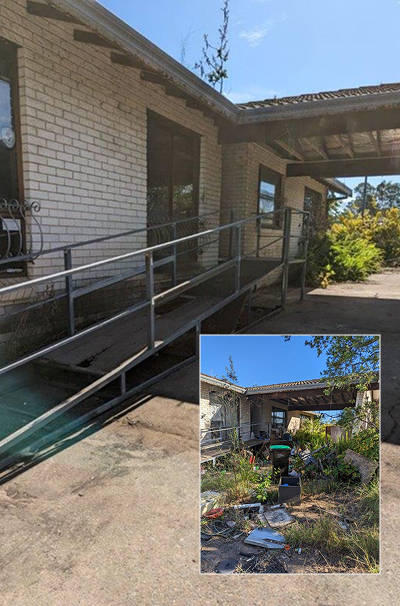
Understanding how to manage assets is essential, especially when it comes to fairly and legally sharing property after someone has passed away. A key part of this process is the deceased estate.


Call anytime
0408 629 666
Your trusted guide to navigating estate cleanups with clarity, care, and confidence.
This site is more than just a resource—it’s your content hub for everything related to deceased estate services in Sydney. Whether you’re seeking practical advice, service insights, or compassionate support, we’re here to help you make informed decisions during a difficult time.
We work in close partnership with our main service site, Deceased Estate Sydney, where you can book cleanups, request quotes, and explore our full range of services. Here, you’ll find articles, tips, and updates designed to support families, executors, and property owners every step of the way.
Whether you’re just starting the process or looking for deeper understanding, Deceased Estate Specialists is your go-to content companion. Let’s make the next step easier—together.
Understanding how to manage assets is essential, especially when it comes to fairly and legally sharing property after someone has passed away. A key part of this process is the deceased estate.
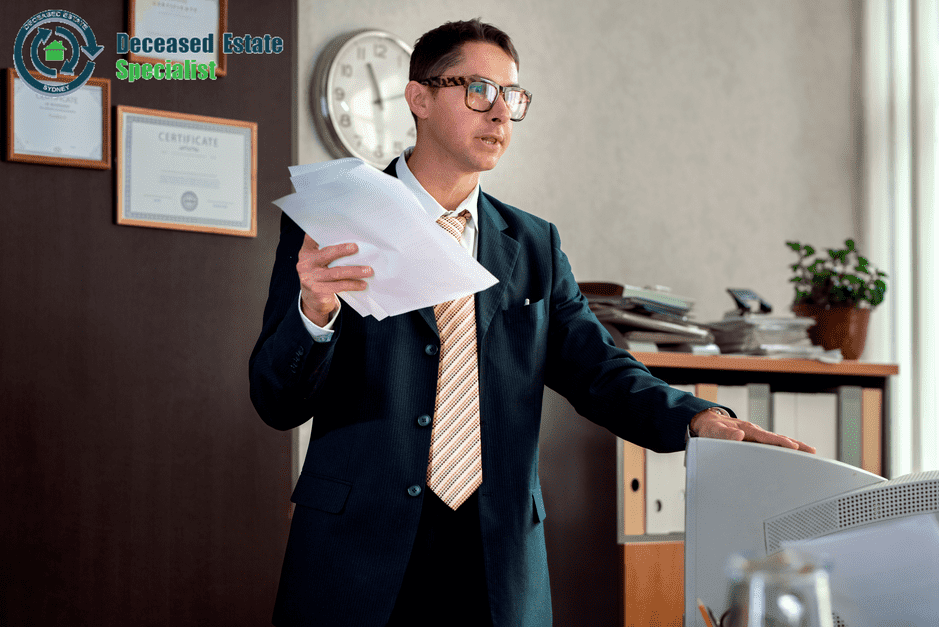
Taking care of a deceased person’s belongings and affairs can be challenging and emotional. Typically, an executor named in the Will manages this process, handling legal documents and property. Complications arise if there is no executor, if the executor cannot fulfil their duties, or if there is no Will.
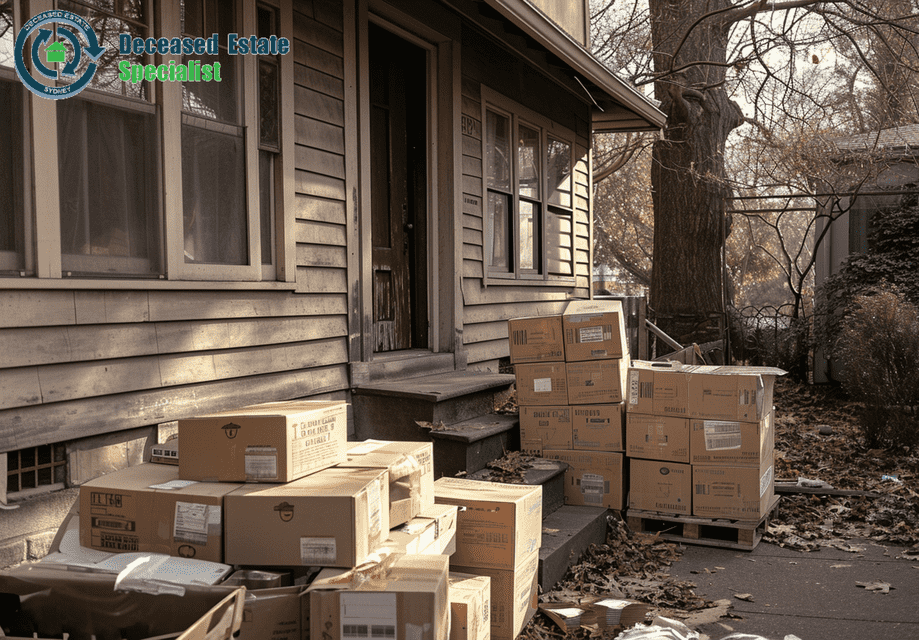
Hoarding is a serious issue related to mental health that needs understanding and help from professionals. The first step to getting proper support often involves hiring a cleaning company for hoarders that understands how to handle hoarding situations. A good team will do more than clean out a place—they will also take the time to talk and support the person going through this change.

When one dies, their assets don’t go with them, and that’s just the reality of life. You may have heard the saying, “Don’t brag too much; you can’t take your wealth with you,” which often holds as estate assets are converted into assets that align with current laws.

The time right after losing someone you love can feel very confusing and overwhelming. You might be dealing with strong emotions, welcoming visitors, filling out necessary forms, and figuring out what to do with the furniture and belongings of the person who has passed away.
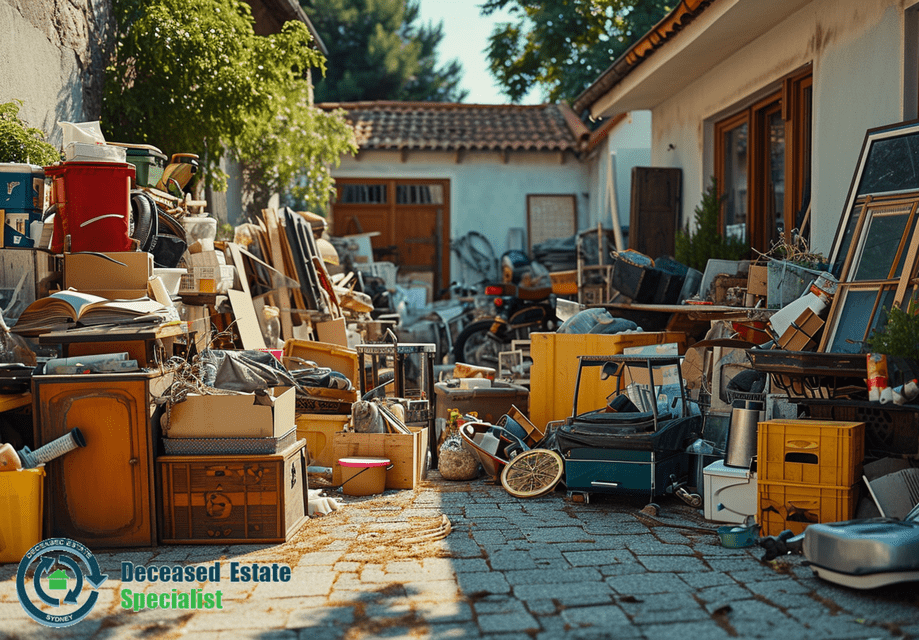
Whether you’re getting ready to sell your home, moving to a smaller place, or dealing with the belongings of someone who has passed away, clearing out a house involves more than just throwing things away. It’s a necessary process that helps ensure everything is handled with care and placed where it belongs.

Losing a loved one can be painful and lead to emotional turmoil, often resulting in family disputes over possessions. This situation is common when someone dies without a valid will, which leads to the query, “How is a deceased estate distributed?”
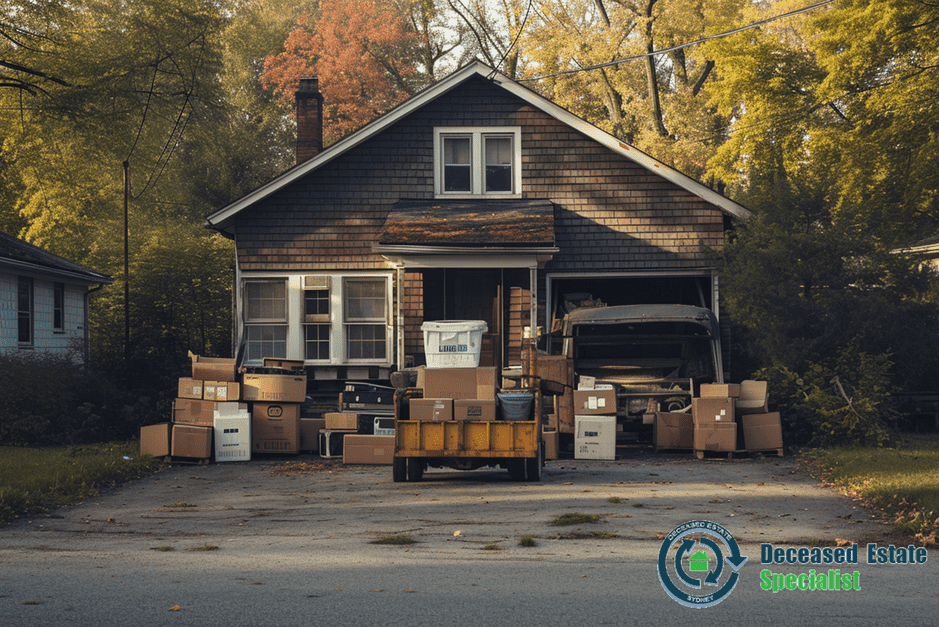
Cleaning a residence can be made easy, but it becomes complex when dealing with hoarding situations, which involve significant psychological and emotional challenges. Hoarding disorder leads individuals to view their possessions as essential and comforting, making any removal process feel like a violation of their personal space.

The days following the loss of a loved one can be overwhelming, especially when managing their belongings. It’s essential to know not only what to do, but also what to avoid during the estate clearance process. Showing respect for the deceased, following legal steps, and seeking peace of mind for yourself and your family are crucial during this difficult time.
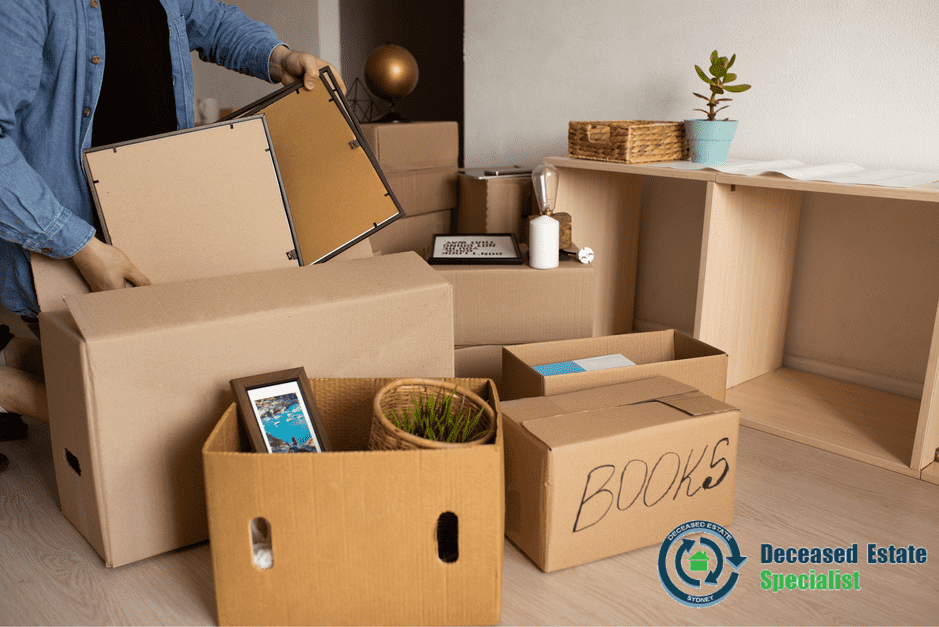
Just the thought of going through years of collected items—from that wobbly old chair in the corner to piles of unread mail—can make decluttering seem daunting.

When a loved one passes away, one of the challenging tasks that often arises is clearing out their belongings and managing their estate.
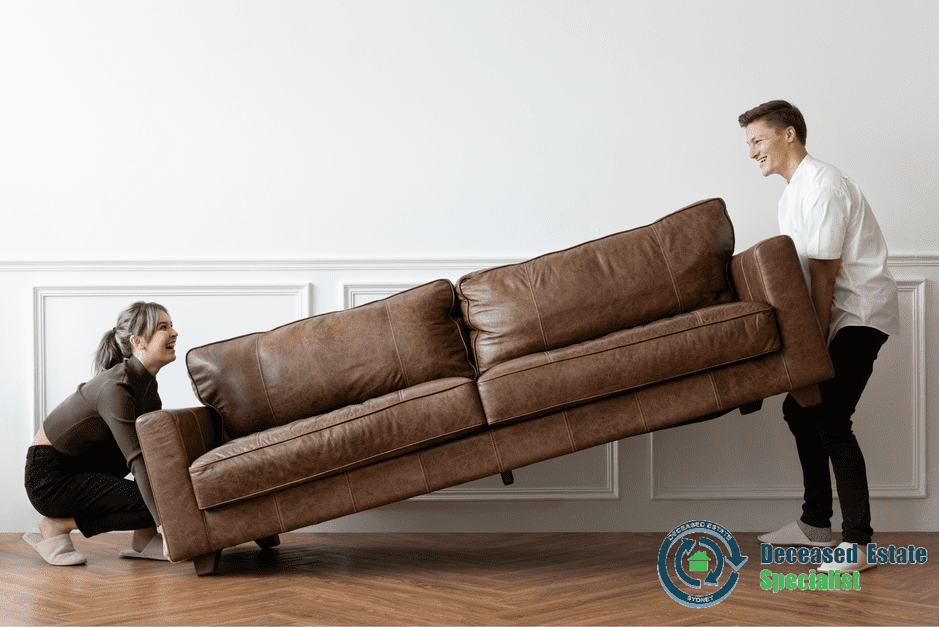
Getting rid of old furniture involves more than just disposal; the size, weight, and condition of the items significantly influence the process.